A Practical Guide to Choosing the Right Wastewater Treatment Chemicals
Indonesia’s industrial sector faces growing challenges in managing wastewater effectively, as industries must balance the twin goals of cost-efficiency and regulatory compliance. At the heart of this challenge lies a critical question: How can industrial wastewater managers choose the right chemicals to meet their unique needs? The answer to that question isn’t as straightforward since different industries generate wide varieties of wastewater profiles, requiring tailored chemical solutions to achieve optimal results. Yet, in a competitive, cost-sensitive environment, many managers struggle to find the right balance between price, performance, and practicality.
Our experience as a trusted supplier and engineering consultant for industrial wastewater treatment has shown that the key to success in managing the decision lies in deep understanding about the fundamentals of process and its constituents. In this article, we’ll delve into the factors industrial managers must consider when selecting chemicals and demonstrate how deep expertise can transform complex decisions into effective, high-value solutions.
This article is organized into three actionable phases: Assessment, Evaluation, and Testing. By understanding and addressing these factors systematically, managers can ensure efficient, cost-effective, and compliant treatment outcomes.

1. Understanding the Complexity of Chemical Purchase Decisions
We will break down the complexity of purchase decisions based on the phases of purchasing: assessment phase, evaluation phase, and testing phase.
1.1 Assessment phase - understanding wastewater characteristics and requirementsThe first step in selecting the right chemicals for wastewater treatment is to fully understand the nature of the wastewater being treated and the regulations that must be followed. This involves gathering detailed information to define the problem clearly and create a foundation for effective solutions.
Every industry generates wastewater with unique traits, which makes it essential to understand specific parameters. For instance, physical characteristics such as turbidity, color, and the amount of suspended solids play a major role in determining the chemical requirements. Similarly, chemical properties like pH, biological oxygen demand (BOD), chemical oxygen demand (COD), and the presence of heavy metals must be analyzed carefully. Another critical aspect is the variability of wastewater, as factors like production schedules, raw materials, and cleaning practices can cause significant fluctuations.
For example, palm oil and food processing industries often deal with high levels of fats and oils that require specialized detergents and flocculants, while mining operations frequently need chemicals to neutralize heavy metals and other inorganic pollutants. Even within a single facility, the wastewater profile can change, which calls for flexible and adaptable chemical solutions. Regular sampling and analysis are essential for creating a baseline understanding of wastewater characteristics. This data not only helps identify current treatment needs but also monitors changes over time that could impact performance.
Once the wastewater is analyzed, the next step is to clearly define the treatment objectives. These goals may include regulatory compliance, cost efficiency, or even resource recovery. For many industries, achieving compliance with discharge standards for parameters like pH, TSS, BOD, and COD is a top priority to avoid fines and operational disruptions. Others may focus on reducing costs through optimal chemical performance, while some seek advanced purification steps to enable water reuse or recover valuable by-products like metals. It is important to work closely with the compliance team to ensure all chemicals selected meet both current and future regulatory requirements.
Finally, the operational realities of the treatment system must be considered. Factors such as the system’s capacity, scalability, and compatibility with existing equipment can affect chemical selection. For instance, choosing the wrong chemical can lead to corrosion or fouling of equipment, causing inefficiencies and increased maintenance costs. Additionally, the level of expertise among operators must be considered, as proper dosing and system monitoring are critical for success. Involving plant operators and engineers early in the process ensures that any constraints are addressed upfront and the proposed solutions are practical.
1.2 Evaluation phase - comparing chemical optionsOnce the assessment phase is complete, the next step is to evaluate potential chemical solutions to ensure they align with the treatment goals and operational realities. This involves a careful review of available options to make informed decisions.
The first task is to research and identify the chemicals that are most suitable for the wastewater characteristics identified during the assessment. Common categories include coagulants, which destabilize particles to prepare them for sedimentation; flocculants, which aggregate these particles into larger flocs for easier removal; pH adjusters to optimize acidity or alkalinity; and specialized agents like antiscalants, defoamers, or odor control chemicals. Collaborating with chemical suppliers is vital during this phase, as their expertise can help identify the best options for your specific needs.
Next, it’s essential to compare the cost and performance of the shortlisted chemicals. While upfront cost is important, focusing only on price can lead to long-term inefficiencies. Instead, managers should evaluate the total value a chemical provides. This includes its performance efficiency—such as the dosage rates needed to meet treatment goals—and its compatibility with existing systems. Hidden costs like sludge disposal, maintenance, and the penalties for non-compliance should also be factored into the total cost of ownership (TCO). Asking suppliers for a detailed cost-benefit analysis ensures you avoid short-term savings that could result in higher operational expenses over time.
Compatibility is another crucial factor to consider. It’s important to verify that the chosen chemicals are suitable for the treatment system’s materials and processes. Incompatible chemicals can cause issues such as corrosion, equipment damage, or counterproductive reactions with other chemicals. Furthermore, operational impacts like adjustments to dosing rates or additional maintenance requirements should be accounted for to ensure the smooth integration of new chemicals.
1.3 Testing phase - confirming efficacy and optimizing dosingAfter identifying and evaluating potential chemicals, it’s time to test them in real-world conditions. This phase ensures the chosen solutions will meet performance expectations before they are implemented on a full scale.
Pilot testing is a critical step in this process. By conducting small-scale trials, environmental managers can observe how a chemical interacts with their specific wastewater. These tests allow for fine-tuning dosages to maximize efficiency while minimizing waste. Pilot trials also help identify any potential side effects, such as excessive sludge generation or increased wear on equipment. Techniques like jar testing can simulate treatment processes and provide valuable insights before full-scale implementation.
During the testing phase, it’s important to monitor key performance indicators (KPIs) to measure the chemical’s success. Metrics such as reductions in contaminants (e.g., TSS, BOD, COD, heavy metals), chemical consumption rates, and compliance with discharge standards provide objective data to evaluate performance. Regular calibration of monitoring equipment ensures the accuracy of these results.
Once a chemical demonstrates its effectiveness at the pilot scale, it can be scaled up to full implementation. Continuous improvement should be a priority, with adjustments made to dosages as needed to account for seasonal or operational changes. Documenting best practices and lessons learned during the testing phase can also streamline future chemical selection processes.
Maintaining a feedback loop with suppliers or consultants ensures that the treatment process remains optimized over time. By taking these steps, managers can reduce risks, improve efficiency, and achieve consistent compliance, ultimately enhancing the overall success of their wastewater treatment efforts.
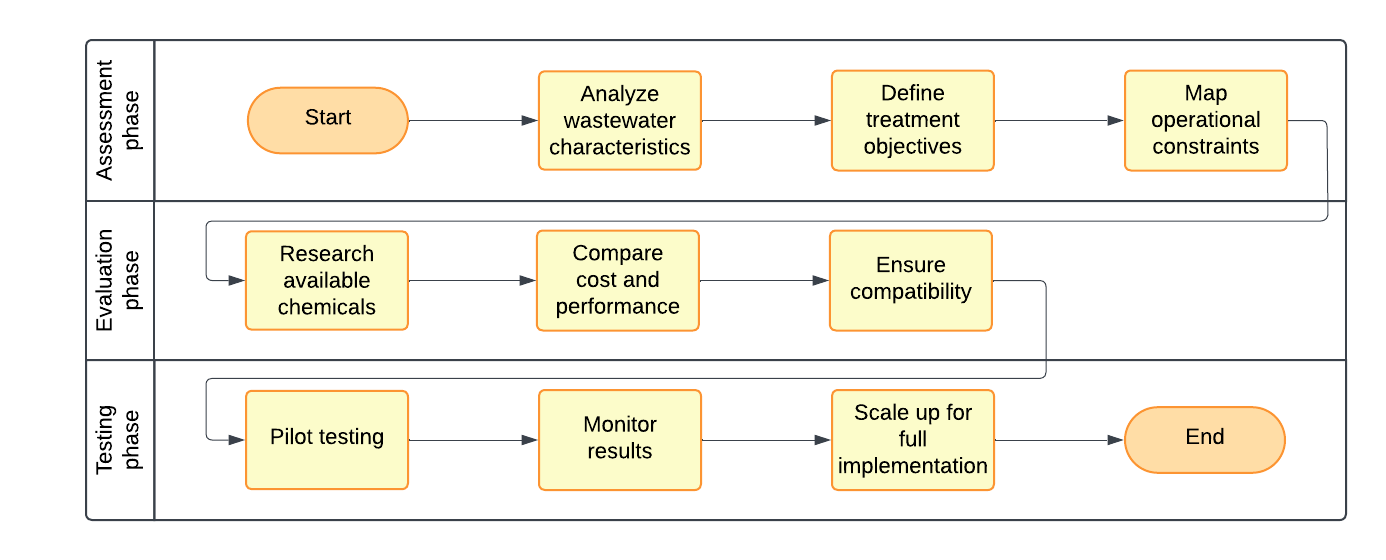
Diagram 1. Roadmap for chemical selection and purchasing
2. Why expertise matters
Navigating the complexities of industrial wastewater treatment requires more than simply purchasing chemicals. It demands a partnership with a supplier who truly understands the unique challenges faced by different industries. A supplier’s expertise can make a significant difference by providing tailored solutions that not only optimize performance but also reduce costs. Expertise ensures that every decision—whether it’s about chemical selection, process optimization, or compliance—is informed by practical knowledge and proven strategies.
2.1 Value of industry-specific expertiseEach industry produces wastewater with distinct characteristics and operational challenges, which makes a one-size-fits-all approach ineffective. A supplier with broad experience across sectors can draw on insights from similar scenarios to offer proactive and practical recommendations. For instance, the challenges faced by textile manufacturers differ greatly from those in the mining or food and beverage (F&B) industries. In textiles, high chemical oxygen demand (COD) and color removal are major concerns, while mining operations often deal with heavy metal contaminants and extreme pH levels. In the F&B sector, organic-rich wastewater with fluctuating solids content requires precise chemical formulations to maintain efficiency. Similarly, palm oil derivative factories handle high organic fat loads that demand rapid and specialized treatment processes.
A supplier who has worked across these industries brings real-world experience that can help managers minimize trial-and-error. Proven solutions tailored to industry-specific problems reduce uncertainty in the chosen approach. For example, a chemical program successfully implemented in one palm oil mill can be adapted to another mill with similar requirements, saving time and ensuring reliability. This case-driven expertise ensures that recommendations are grounded in practical results.
2.2 How we make buying easySelecting the right chemicals should not be a burden. A strong partnership with a supplier simplifies decision-making, helping managers achieve effective and efficient wastewater treatment without unnecessary complications. At every stage of the process, from assessment to implementation, a knowledgeable supplier can guide you with clarity and precision.
Streamlined chemical selection is one of the key advantages of working with an experienced supplier. By carefully evaluating wastewater characteristics and operational constraints, the supplier can quickly identify the most suitable solutions. These recommendations are based not only on technical expertise but also on hands-on experience in diverse industries. For example, they may recommend advanced coagulants to remove heavy metals in mining wastewater, pH stabilizers for highly alkaline textile wastewater, or specialized flocculants to ensure rapid solids separation in food processing effluent. Tailored programs like these avoid common pitfalls such as compatibility issues or system disruptions, ensuring smooth integration into existing processes.
Another critical aspect of expertise lies in the ongoing support provided after the chemicals are delivered. A strong supplier relationship doesn’t end with the sale. Instead, it includes continuous technical assistance to fine-tune chemical dosing, monitor system performance, and address unforeseen challenges. This proactive approach ensures that your wastewater treatment system operates smoothly over the long term, reducing stress and giving you peace of mind.
Boost performance with the right partner
Throughout this article, we’ve explored key concerns managers often face such as, but not limited to:
- – “What if the chemical isn’t compatible with my system?”
- – “Will I overspend on chemicals I don’t need?”
- – “How do I handle process variability?”
As highlighted throughout this discussion, effective wastewater treatment requires more than just selecting the right chemicals—it depends on the combined power of technical expertise, tailored solutions, and a deep understanding of operational priorities. Whether it’s managing short retention times, adapting to variable wastewater characteristics, or ensuring regulatory compliance, the right partner can make all the difference.
By working with a supplier experienced in a wide range of industries, environmental managers can gain confidence in their chemical selection process, achieve consistent compliance with less effort, and improve operational efficiency while controlling costs. These partnerships not only simplify the complexities of wastewater treatment but also position your facility for long-term success.
At Sinar Raya Baskara, we bring extensive industry expertise and a commitment to collaboration to every client we work with. Let us help simplify your challenges and elevate your wastewater treatment performance. Together, we can create solutions that drive efficiency, compliance, and sustainability. Contact us today to learn how our tailored solutions and proactive approach can transform your operations.